9 conversion rate optimisation tips to grow your ecommerce website today
Bonus Material: 47 page eBook & checklist - Website optimisation for ecommerce businesses (FREE)

Growing an ecommerce website isn't easy.
There’s so much to do. If you’re not wrestling with suppliers, you’re worried about sales. If it’s not this, you’ve got shipping, support and social on the brain. And that’s before you’ve had time to think about marketing, social proof, and your website!
The day-to-day of an ecommerce website owner is full-on. But it doesn’t have to be. Rather than tackling all these tasks alone, why not let us do some of the heavy lifting for you? Which in turn, will give you more time to focus on growing other parts of the business. Y’know, the bits that only YOU can do — the bits that make your business unique.
If you want more leads and enquiries without throwing money at advertising, keep scrolling...
Mastering conversion optimisation to boost your sales
Conversion optimization is about converting the traffic you already have. Rather than chasing new leads, you work harder to convert your current users.
Here’s an example of how it works:
Let’s say you get 100 visitors to your website and only 2 convert. You have two options for doubling your sales, you can either:
- Double your traffic -or-
- Double your conversion rate
Like I said, it isn’t easy to double your traffic, and it certainly doesn’t happen overnight. SEO is a long game.
So why not just double your conversion rate? Not only is it a lot easier to do, but it won’t cost you half as much either — as you’re about to find out.
Section #1: Capture abandoning users with an exit popup
Section #2: Earn trust and credibility
Section #3: Create a picture-perfect website
Section #4: Build relationships through email
Section #5: Use scarcity and urgency
Section #6: Talk to your visitors
Section #7: The importance of CTA buttons
Section #8: Good copy builds trust
Section #9: Popups and content upgrades
No time to read now?
Click here to get the 47 page ebook (FREE) to increase your conversions
Section #1: Capture abandoning users with an exit popup
"People are visiting my site, so why aren't they taking action?"
So you have traffic to your site — congratulations! But it’s only half the battle, as you’ve probably discovered.
Few things are more frustrating for businesses than seeing people visit your site and leave empty-handed. And it’s understandable too. You’ve spent months, if not years getting people to visit your site, only for them to browse and leave.
But not only is it frustrating, it’s also difficult to pin-point why people do it. Is it a complex checkout? Or is it a lack of trust? Perhaps your offer wasn’t compelling enough? The list goes on, and on, and on. And getting to the bottom of it takes time.
It gets worse, though.
Have you thought about how you’re going to contact those visitors once they leave your website? Correct me if I’m wrong, but once they’ve left they’re gone… forever. All the hard work you put into getting them there and you have nothing to show for it. No sales, no signups, no feedback, zip, zilch, nada!
Imagine that.
So what does this tell you? Well, two things. One, traffic alone isn’t good enough,
you need traffic that converts. And two, you need a way to convert abandoning visitors.
A quick and simple fix for both of those problems is an exit popup. You’ve seen them before, they’re the ones that flash up as you’re about to exit a site to say things like, “Hey, don’t leave us. Here’s 15% off your next order!”.
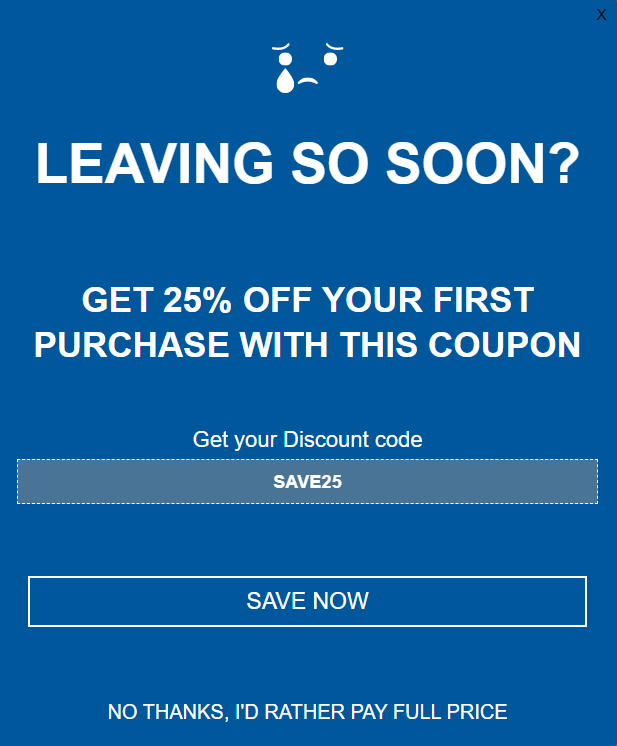
An exit popup is the best way to encourage users to take action before they leave your website. Whether it’s to buy, signup or opt-in.
We’re seeing exit popups increase signups and conversions by up to 1,300%.*
By solving the problems we’ve spoken about, you’ll have more time to focus on growing your business. What’s more, you’ll have a healthy list of email subscribers that you
know have committed to your brand.
Don’t know where to start with an exit-intent popup?
Check out our 47 page eBook to slingshot your sales, bookings and enquiries, fast!
Section #2: Earn trust and credibility
"People are visiting my website, but leaving for my competitors. Why?"
Your customers face several rational and emotional anxieties pre-purchase. They’re often triggered by a range of factors, like cost, value and suitability. How others will react may have an impact too — whether it’s a friend or family member.
And then there’s the so-called “paradox of choice” — the idea that too many options can cause a consumer psychological distress.
Will the product/service do what it promises? Can I trust them with my bank details? How do I know they’re actually going to ship the item? These are all questions buzzing around your customer’s heads pre-purchase.
Mad, right?
Unfortunately, pre-purchase anxiety isn’t the only thing you need to tackle.
Because, you now need to be bang up to date with what influences a consumers’ buying behaviour. And it’s not like it once was.
The factors that influence smart buying decisions have changed in recent years. Gone are the days where a decent specification sheet or a consumer sales pitch is all you need to sell a product/service.
Instead,
people want proof that your product or service has helped others. Rather than “taking your word” for it, they want to be “told” by others why they should buy, sign up or opt-in.
So what does this mean for you?
Well, it’s simple. You need reviews and testimonials.
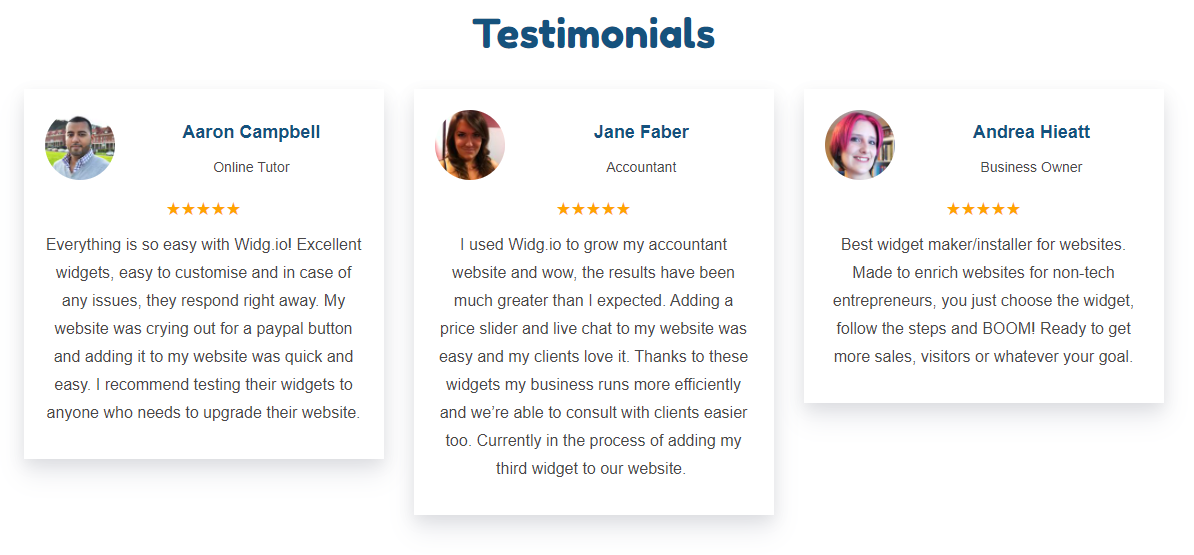
Reviews and testimonials show your visitors how your product or service has had a positive effect on another person’s life. They show, rather than tell. 72% of consumers say positive reviews and testimonials increase their trust in a business.*
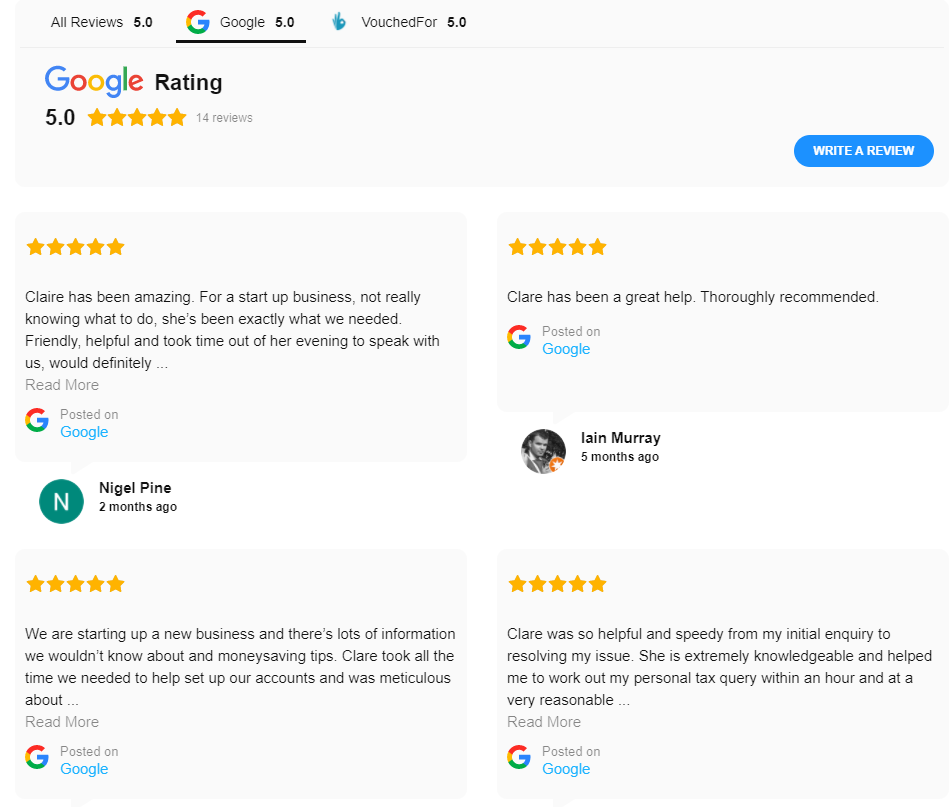
Solving the problems above will instil trust and credibility in your customers. What’s more, it’ll help create a deeper, more emotional appeal for your branding too.
Want to know more about adding reviews and testimonials to your site?
Check our 47 page eBook loaded with tips, tricks and a conversion-boosting checklist.
Section #3: Create a picture-perfect website
"I don't have images on my website, will this hinder my sales?"
It’s said that images speak louder than words. And as much as it pains me to say it, it’s absolutely true.
You see a picture of a beach in the Bahamas, you want to go there. You see a picture of a melt in the mouth chocolate pudding with a dollop of ice cream, you want to eat it.
Imagery speaks to our emotions, imagination and unconsciousness like nothing else. They make us want things we don’t have, and need things we can’t afford. They’re powerful little things, let me tell you.
So they kick-start sales, but it’s not just about that.
You see,
images can also make you stand out, like you’re standing in an open field with an A-board doing a waltz.
Standing out is important today — especially online. Unless you’ve built something totally unique that people
really want, you’ll need an online presence to stand out. And you can achieve this with images.
The people looking at your website will likely see hundreds (if not thousands) of websites every month. They’ll see good ones, bad ones, and some they’ll forget. So ask yourself: what makes mine so special that’ll make people buy, signup or opt-in? And place it firmly in the “good ones” bracket.
If you’re struggling, don’t worry, because we have a fix...
… image galleries.

Galleries will help attract, engage and convert visitors. They’re also effective at driving users deeper into your funnel. For example, a picture of a melt in the mouth chocolate pudding with a dollop of ice cream
will get people to read your recipe.
And remember, people remember more than 2,000 images with at least 90% accuracy.* All it takes is one good image to cement your brand in their mind forever.

Grouping your images and displaying them in a gallery paints a picture for your audience. It lets you share your story in a more meaningful way too.
Still unsure?
Check out our 47 page eBook for an in-depth look at the benefits of adding galleries to your website.
No time to read now?
Click here to get the 47 page ebook (FREE) to increase your conversions
Section #4: Build relationships through email
"Is email as powerful as social media?"
3.96 billion people use social media worldwide.*
Let me rephrase that… more than half of the people on Earth use social media.
Social media is huge, but you already knew that.
It’s a fantastic way to share your story and build a fanbase. But too many businesses are reliant on it for building lasting relationships—and often overlook methods that help build personal bonds too.
Things like email.
Email is a one-to-one form of communication. And thus, it plays a big part in building lasting relationships with your audience. As well as it being one-to-one, you own the relationship you have with your audience. The power is in your hands.
Having an email list is like owning a property, you can do what you like and no one can tell you otherwise. On the flip side, you have social media, which is like renting—and the platform is your landlord. You do exactly as they say.
You see, platforms like Facebook give you the tools to build an audience for free. But to reach 100% of the audience you’ve assembled, you have to spend money on advertising.
This isn’t the case with email.
Email lets you connect with 100% of your audience whenever you like as often as you like. What’s more, because you have your customers’ details, you won’t need to worry about chasing new ones. And if there’s one thing we know,
it’s that it’s a lot easier to sell to an existing customer than it is to find a new one.
So what have you got to do?
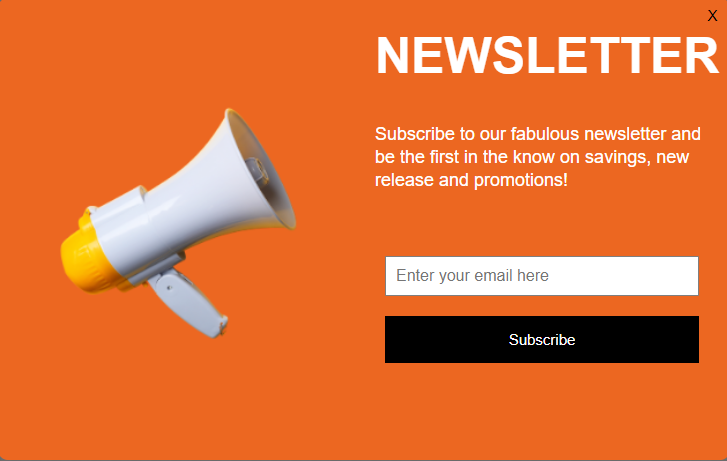
Well, start building an email list alongside your social media following. To do that, you’ll need an email signup form on your website.
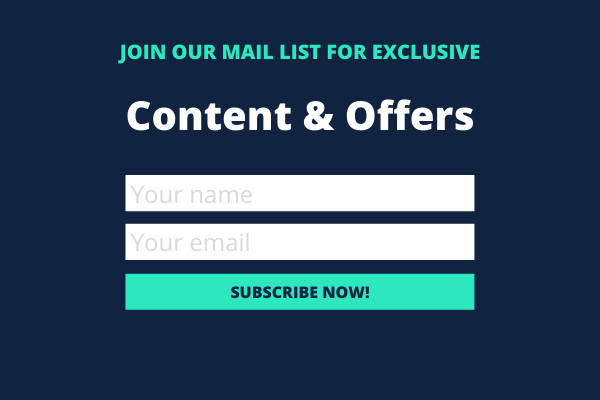
Email signup forms gather users’ email addresses—and are great for getting people to sign up to your newsletter. No matter where you use them, whether it’s on your homepage, blog or as part of an exit popup, they’ll help grow your email list and overtime, boost conversion.
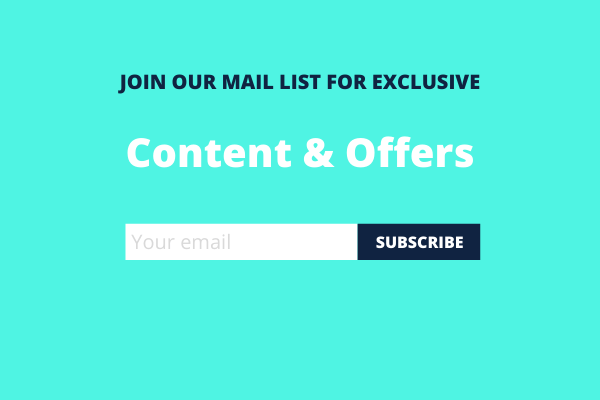
Still not quite sure? Download our 47-page eBook for all the info you need on increasing conversion using an email signup form.
Section #5: Use scarcity and urgency
"I need a way to create scarcity and urgency on my website"
We’ve all been there.
Heck, it’s Mother’s day soon, and you need to buy a nice gift before it’s too late.
But there are SO many options. You don’t know when to order or who to order from. So you’re browsing a website and see a beautiful bouquet of flowers. You scroll down the page and promptly read: “Mother’s Day: Order today for on-time delivery”.
So that’s that: you HAVE to order today for delivery before Mother’s Day.
The pressure you just felt? That, my friend, is a dose of urgency. Because you HAVE to order today to get your flowers for Mother’s day, you’re less likely to shop around to research and compare companies. So you buy, on the spot.
Many of the greatest advertisers and marketers use scarcity and urgency to increase conversions because it works like crazy!
Take Black Friday, for example. In 2020, there was a whopping $9 billion pound spent* on one day alone. Urgency motivates people to buy because once time runs out, the product/sale/offer has gone forever. (Or so they think, wink!)
Scarcity motivates people to buy because they see everyone else buying. And if there’s one thing we know about customer behaviour, it’s that people buy products that others have already validated.
Used correctly, these tools can help boost your conversions and increase sales. One of the most effective tools for adding urgency is a countdown timer. With a clock ticking away on your product pages, anyone on the fence will feel a subtle “nudge” to buy.
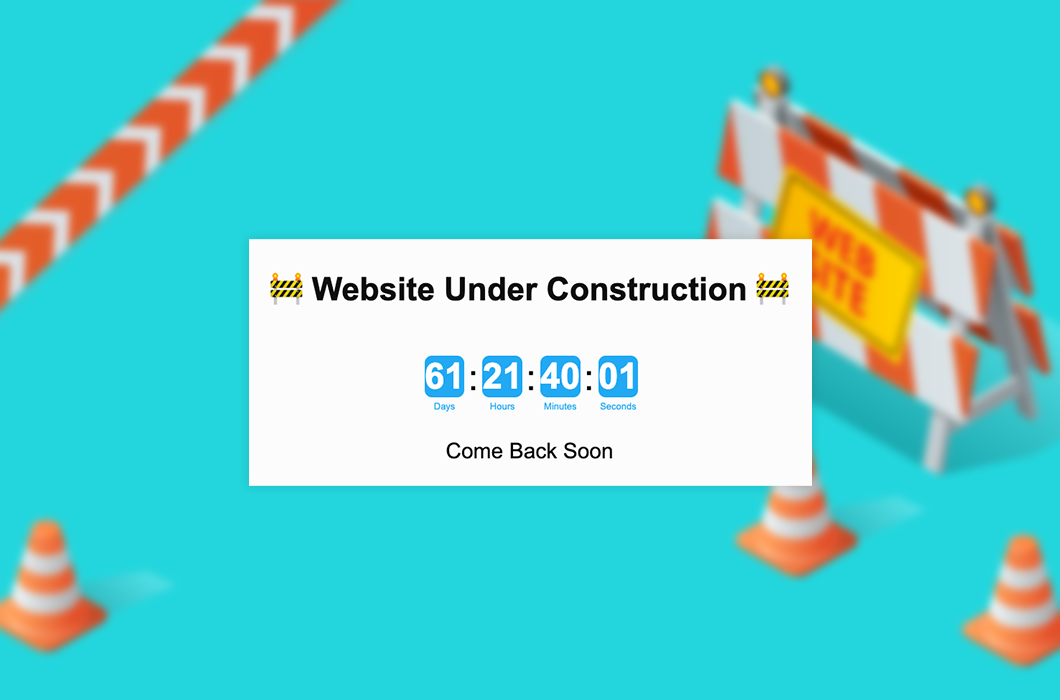
It gets better, though.
You see, it doesn’t just work for products. It can also work for opt-ins too, whether it’s an offer on an eBook, course or newsletter.
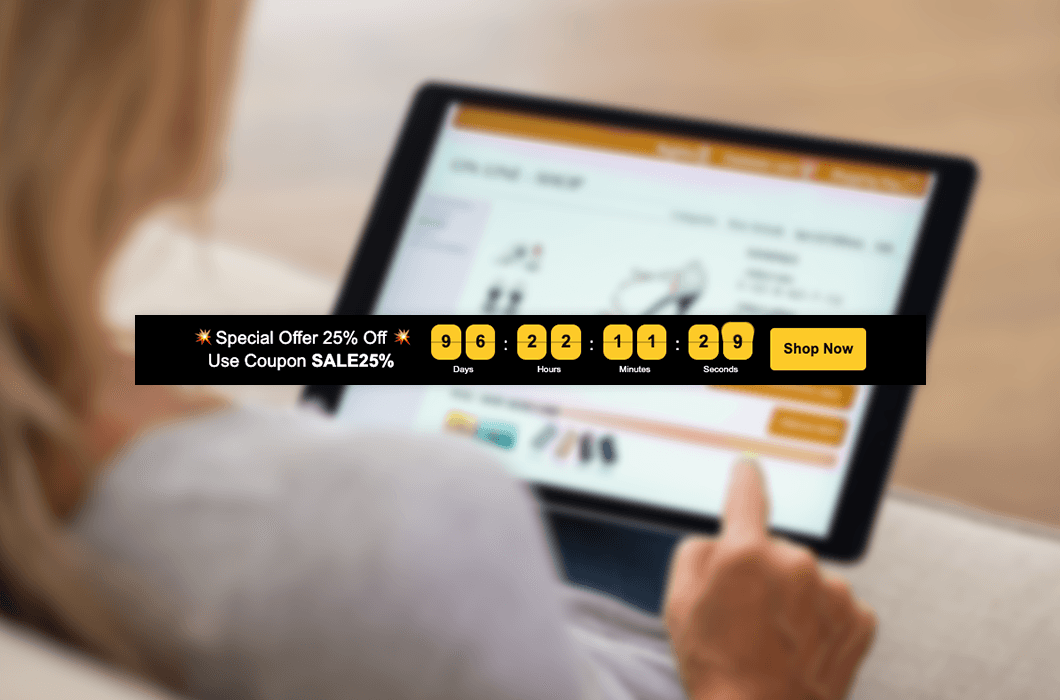
If you’re still unsure? Check out our 47 page eBook for an in-depth look at using scarcity and urgency to boost conversions and increase sales.
Section #6: Talk to your visitors
"Is there an easy way to convert users who are on the fence?"
A sure fire way to put users off buying is to deprive them of the help they need.
Imagine going shopping and there not being a sales assistant to talk to if you need help or advice. It’d suck, and you probably wouldn’t buy.
Help is even more important if you’re a service-based business, or sell complex products that images and a description won’t sell alone.
In some cases, you just want to have a conversation before you buy or sign up. It could be to ask a question or check a website’s trustworthiness. But whatever it is, it can go a long way to turning browsers into buyers.
Look. It’s not uncommon for people to have doubts or questions pre-purchase — especially if you don’t have any reviews or testimonials. And even if you do, speaking to someone can often put your mind at rest.
So what can you do?
Well, add a live chat feature to your website.
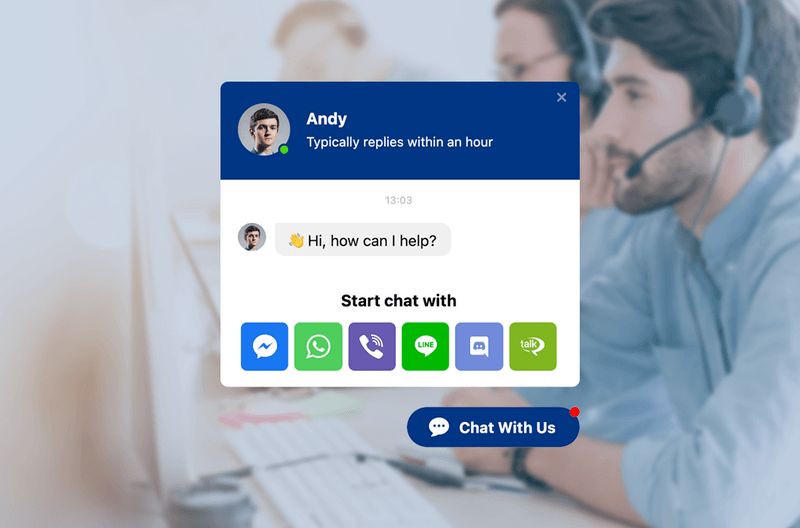
Live chat is the ultimate tool for converting visitors who are on the fence. Likewise, for providing a real-time means of customer support. Research says that 38% of consumers are more likely to buy from a company if they offer live chat support.* Another source found that 63% of customers are more likely to return to a website that offers live chat.*
It also makes it easy for you to manage your customer conversations. You see, rather than going back and forth via email or phone,
live chat lets you chat, consult and convert on the spot using one platform. And what’s more, you can deploy a bot to handle communications that are out of business hours.
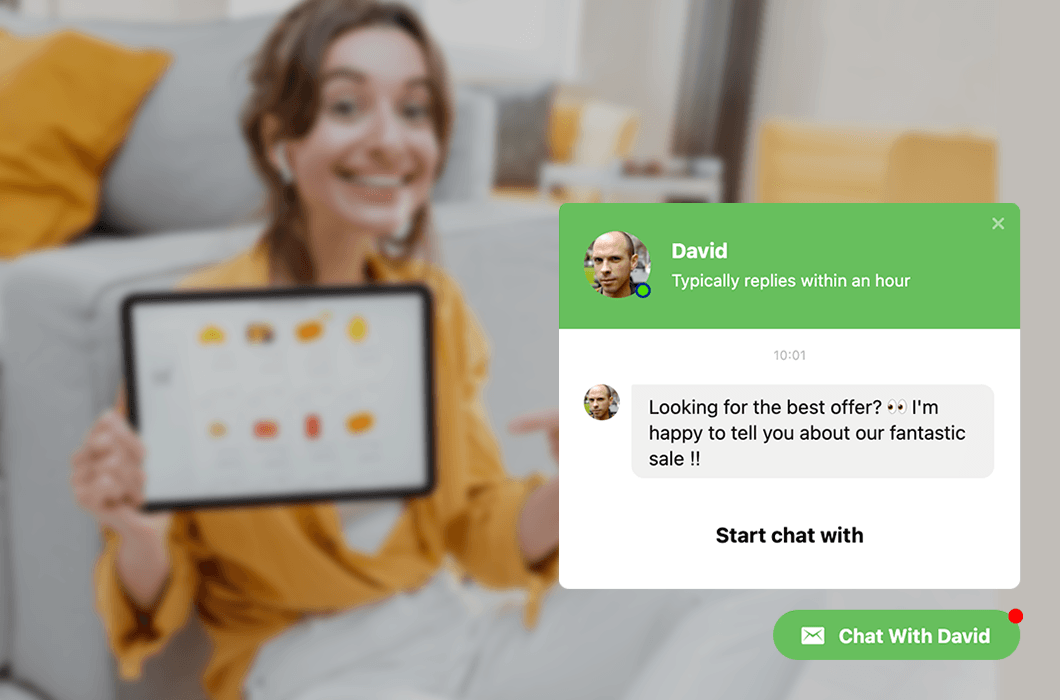
Don’t know where to start with live chat?
Check out our 47 page eBook to slingshot your sales, bookings and enquiries, fast!
Section #7: The importance of CTA buttons
"People are visiting my website but not taking action, why?"
Have you ever been browsing a website and felt lost? Like, you know how you got there, but you don’t know what you’re supposed to do next…
Are you buying, calling, signing up, opting in — who knows? But if your website leaves visitors feeling like this, you’re missing out. Big time!
It’s not uncommon, though. It would surprise you how many websites fail to point the user in the direction they need to in order for them to take action. But do you know what all these websites have in common? None of them convert!
Trust us, we’ve seen and helped A LOT of websites like this.
It’s a rookie mistake, but it’s easy to make. In fact, most businesses don’t even know they’re doing it. And it’s not until you point it out that they’re like, “OHHHH!, so that’s what it is!”
So, how can you fix this?
Well, with proper call-to-actions (CTAs).

A CTA is a “button” on a web page that tells the user what to do next — whether it’s to buy, book, sign up or opt-in. It’s a key element of a web page that guides the user towards your conversion goal.
For it to have the biggest impact, you’ll need to put some thought into the words. Benefit-driven CTAs can increase conversions by up to 33%.*
You see, unless your CTA tells the user what happens once they’ve clicked, it won’t have an effect. What are they subscribing to/signing up for? Does it come with a free gift (eBook)? Is it a FREE plan they’re joining? Make it clear, and provide value on why they should click.
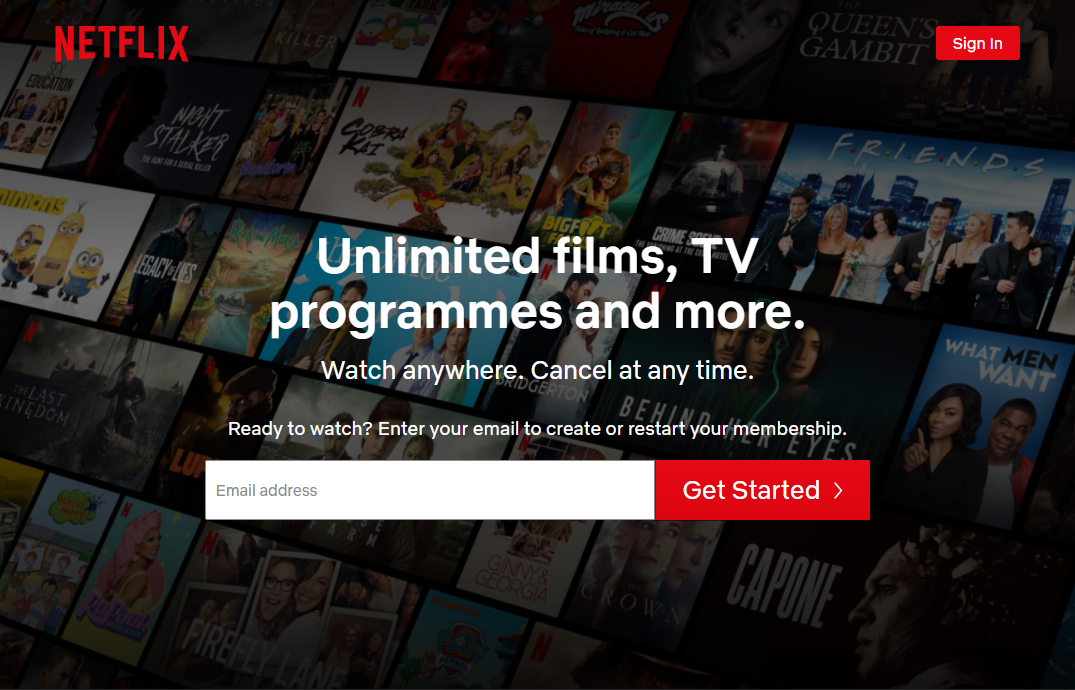
As well as the wording, think about the colour too. Use a form or a trigger with a background or text colour that jumps off the page. Don’t expect your readers to read every word, because they won’t. Make your CTAs pop!
Having a red CTA can increase conversion by 21%*
— thank us later (wink!)
Implementing the above will help you guide users towards your goal conversion. And thus, increase signups, opt-ins and sales. It’ll help improve your website’s users experience too.
Are CTAs giving you a migraine?
Check out our 47-page eBook for tips, tricks and examples that you can use on your website.
Section #8: Good copy builds trust
"I'm worried my website doesn't look trustworthy"
Building trust is massive.
As we touched on earlier, it’s one of the main converting factors. But it doesn’t JUST come from reviews and testimonials.
Look. When a user lands on your website looking to buy, they want to know three things. They want to know (1) that you’re trustworthy, (2) that you can add value to their lives and (3), that you can do it better than anyone else on the market.
Now. Of course they want to know price, features, materials, location, results etc. But they won’t get onto these unless you can prove that you’re trustworthy, worth their time, and better than everyone else in your niche.
But — and it’s quite a big but — they need to believe it too.
If you’re telling them that your product is the best thing since sliced bread, you need to prove it!
But how do you do that, I hear you ask? Well, reviews and testimonials (like we’ve already spoken about), and stupendous copy!

Good copy, and by that I mean copy that captivates, engages and converts, is like having a top-quality salesperson sell your products 24/7. While you eat, sleep or binge on Netflix, good copy will rack up sales.
It’s also a reflection of your brand (y’know, that thing you’ve poured your heart and soul into for the last however long), so it’s worth your time.
Making more sales through copywriting isn’t easy, especially if you’re not a copywriter. But guess what… we have the golden ticket.
Our 47-page eBook holds the key to the copywriting treasure. You’ll learn how to find the right balance between being salesy and informative—and we’ll teach you how to write killer headlines. Also inside, a top tip when writing about products/services.
Section #9: Popups and content upgrades
"How will popups and content upgrades help my business?"
We’ve already looked at exit popups, but they’re one of the many popups that can kick your sales up the backside.
So what exactly is a popup?
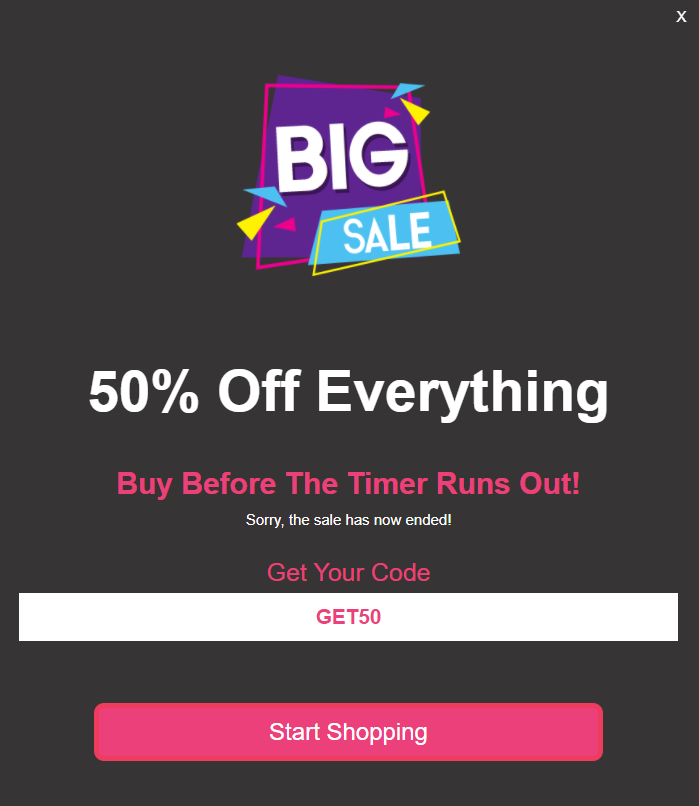
Well, a popup is a small window that pops up on your screen when you’re browsing a website — often advertising a product, promotion or offer. There are several types of popups, such as scroll popups, timed popups, entry popups and exit popups.
The one you choose will very much depend on your goal conversion. For example, if you want to get people to sign up for your newsletter, a scroll popup on your blog posts would work. Or, if you want to improve conversion on your product pages, try a timed popup offering a discount or free shipping.
The chances of someone buying from you on their first visit is very, very slim. They have to know you, trust you — people want validation before handing over their cash. And that’s a fact.
Getting them to trust you enough to buy from you isn’t easy though. (Heck, if it was we’d all be rich.) Just like trying to drive new traffic, it takes time and a lot of hard work — especially if you’re to do it 1-2-1 where it’s most effective.
I know what you’re thinking, “how the hell am I going to do that?”
Well don’t worry, it’s simple… content upgrades.
You’ll need to create an opt-in that overtime drip feeds valuable bits of content to each user. A series of automated emails over, say, 30 days is about right — with a focus on getting them to convert at the end of the cycle.
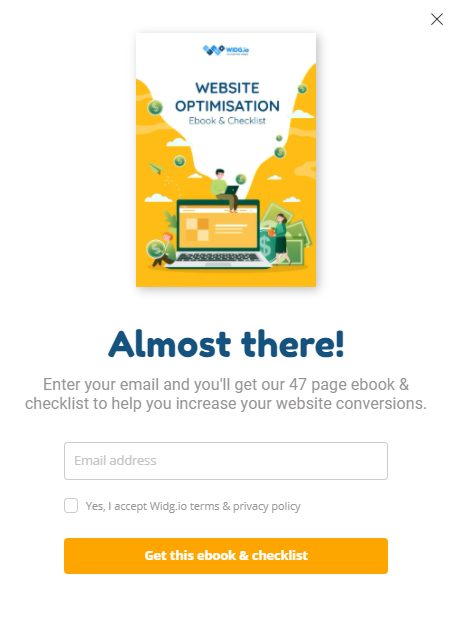
Combining popups and content upgrades is a sure fire way to boost sales and increase conversions. What’s more, they let you connect with users in a personal way too. And if there’s one thing we know about conversion optimisation, it’s that it helps to be personal.
If you want to know more about how you can use them to grow your business,
check out our 47-page eBook.